

Electric vehicles (EVs) are reshaping the automotive landscape, offering a cleaner, smarter, and more efficient way to drive. With advancements in battery technology, government incentives, and growing awareness about environmental sustainability, EVs are becoming increasingly popular in 2025. Let’s dive deeper into what EVs are, their types, benefits, charging, and the future of electric mobility.
What Are Electric Vehicles?
Electric vehicles are cars that use electricity stored in batteries to power an electric motor. Unlike conventional vehicles that rely on gasoline or diesel engines, EVs run silently, produce no tailpipe emissions, and offer lower long-term running costs.
Modern EVs are equipped with smart technology, regenerative braking systems that recover energy during braking, and advanced connectivity features for navigation, battery monitoring, and even over-the-air updates.
Types of Electric Vehicles
Understanding the different types of EVs can help you choose the right one for your needs:
- Battery Electric Vehicles (BEVs)
- Fully electric cars that run exclusively on battery power.
- Examples: Tesla Model 3, Hyundai Kona Electric, Nissan Leaf.
- Pros: Zero emissions, smooth acceleration, low maintenance.
- Cons: Range depends on battery capacity; charging time can be longer than refueling.
- Plug-in Hybrid Electric Vehicles (PHEVs)
- Combine an electric motor with a gasoline engine.
- Can run on electric power for short trips and switch to fuel for longer distances.
- Examples: Toyota Prius Prime, Kia Niro PHEV.
- Pros: Flexible range, reduces fuel consumption.
- Cons: More complex systems may need higher maintenance.
- Hybrid Electric Vehicles (HEVs)
- Primarily gasoline-powered but use an electric motor to improve efficiency.
- Battery charges while driving; cannot be plugged in.
- Example: Standard Toyota Prius.
- Pros: Better fuel efficiency than traditional cars, lower emissions.
- Cons: Not fully electric; still uses fuel.
- Fuel Cell Electric Vehicles (FCEVs)
- Use hydrogen fuel cells to generate electricity for the motor.
- Produce only water as exhaust.
- Example: Toyota Mirai.
- Pros: Long range, fast refueling.
- Cons: Hydrogen infrastructure is limited; high cost.
Popular Electric Vehicles in 2025
Here are some EVs gaining attention in 2025:
- Tesla Model 3: Affordable, long-range, high-tech features.
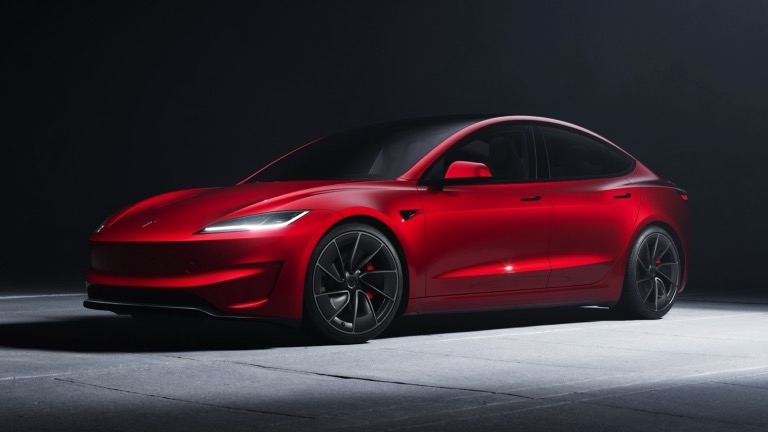
- Hyundai Ioniq 6: Sleek design, efficient battery, fast charging.
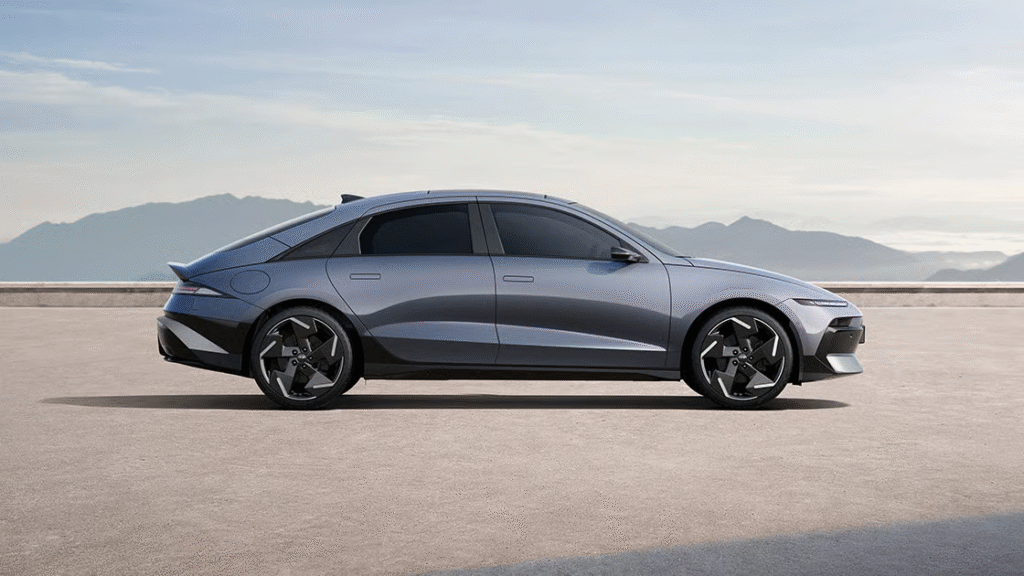
- Nissan Ariya: Spacious interior, multiple powertrain options.
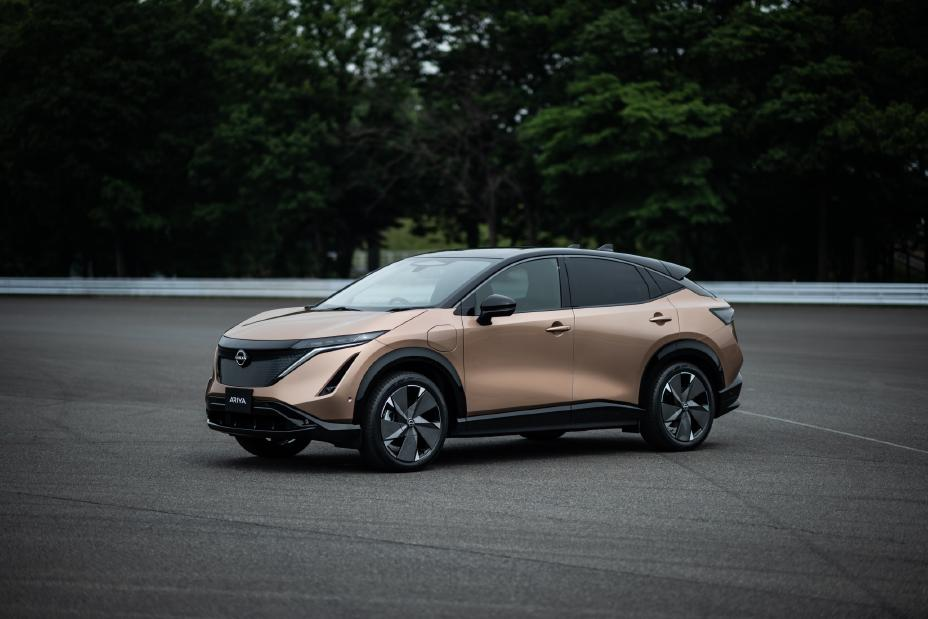
- Kia EV6: Impressive acceleration, advanced safety features.
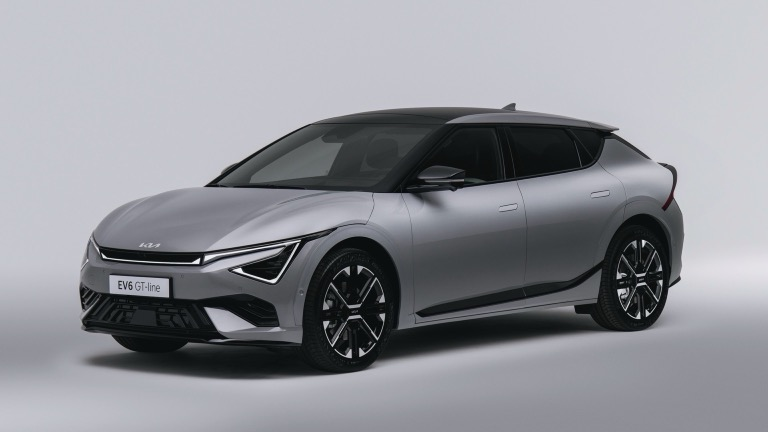
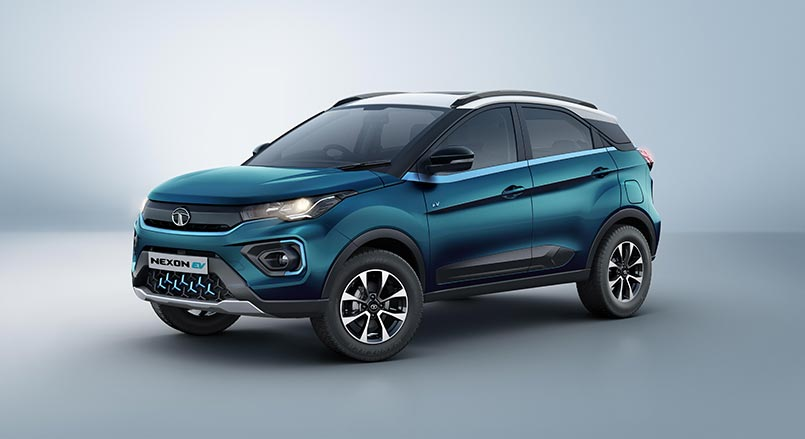
- Tata Nexon EV (India): Compact, city-friendly, affordable EV.
Benefits of Switching to Electric Vehicles
Switching to an EV in 2025 offers multiple advantages beyond just reducing emissions:
- Environmentally Friendly
- EVs produce zero tailpipe emissions, significantly reducing air pollution in cities.
- Using renewable energy for charging further decreases your carbon footprint.
- Lower Running Costs
- Electricity costs are generally lower than gasoline.
- Fewer moving parts mean reduced maintenance, no oil changes, and less wear on brakes thanks to regenerative braking.
- Government Incentives
- Many countries provide subsidies, tax credits, free parking, or toll exemptions for EV owners.
- Some cities even offer access to special EV lanes.
- Advanced Technology
- EVs come with modern tech like smart navigation, app-based battery monitoring, autonomous driving features, and over-the-air updates.
- Silent and Smooth Driving
- Electric motors provide instant torque, ensuring smooth acceleration and a quiet ride.
- Energy Efficiency
- EVs convert over 77% of electrical energy into wheel power, compared to just 12–30% for gasoline engines.
Charging Your Electric Vehicle
Charging is one of the most important aspects of owning an EV. Here’s what you need to know:
- Home Charging: Most EV owners charge at home using standard wall outlets or dedicated home chargers. Charging overnight is convenient for daily commuting.
- Public Charging: Public AC chargers are available in cities and highways.
- DC Fast Charging: For long trips, fast chargers can charge up to 80% in 30–45 minutes.
- Wireless Charging: Emerging technology allows EVs to charge without cables, though it’s not yet widespread.
Tip: Always check your EV’s range and available chargers for longer trips to avoid “range anxiety.”
Common Misconceptions About EVs
- EVs Don’t Have Enough Range
- Modern EVs can travel 250–500 km on a single charge, enough for daily commutes and even road trips with proper planning.
- EVs Are Too Expensive
- While the upfront cost is higher, savings on fuel and maintenance make EVs cost-effective in the long run.
- Limited Charging Infrastructure
- Charging stations are rapidly increasing worldwide. Many apps now provide live information about available chargers.
- EV Batteries Don’t Last Long
- Most EV batteries last 8–10 years or more, and some manufacturers offer warranties up to 8 years or 160,000 km.
The Future of Electric Vehicles
By 2025 and beyond, EVs are expected to dominate the automotive market. Key trends include:
- Improved Batteries: Solid-state batteries with faster charging and longer life.
- Autonomous Driving: More EVs equipped with self-driving technology.
- Expanded Charging Network: Fast charging stations in urban and rural areas.
- Green Energy Integration: Solar-powered EV charging stations and smart grid connectivity.
The shift to electric vehicles is not just about driving differently; it’s about creating a cleaner, smarter, and more sustainable future.
Certainly! Below is a comprehensive table detailing the 2025 electric vehicle (EV) models available in India, their ex-showroom prices, and where to buy information:
| EV Model | Price (₹) | Where to Buy |
|---|---|---|
| Tata Nexon EV | ₹12.49 Lakh | Tata EV Official Website |
| Tata Tiago EV | ₹7.99 Lakh | Tata EV Official Website |
| Tata Punch EV | ₹9.99 Lakh | Tata EV Official Website |
| Hyundai Creta Electric | ₹18.02 Lakh | Hyundai India |
| Hyundai Ioniq 5 | ₹46.30 Lakh | Hyundai India |
| Mahindra XUV400 | ₹15.49 Lakh | Mahindra Electric SUVs |
| Mahindra BE 6 | ₹18.90–28.54 Lakh | Mahindra Electric SUVs |
| Mahindra XEV 9e | ₹21.90–31.25 Lakh | Mahindra Electric SUVs |
| MG ZS EV | ₹17.99–19.49 Lakh | MG Motor India |
| MG Comet EV | ₹6.24–8.81 Lakh | MG Motor India |
| BYD Seal | ₹41.00 Lakh | BYD India |
| Kia Carens Clavis EV | ₹17.99 Lakh | Kia India |
| Volvo EX30 | ₹39.99 Lakh | Volvo India |
| BMW iX 2025 | ₹1.45 Crore | BMW India |
| Audi Q6 e-tron | ₹1.00 Crore | Audi India |
| Maruti e Vitara | ₹17–22.50 Lakh | Maruti Suzuki India |
Note: Prices are approximate ex-showroom prices as of September 2025 and may vary based on location and variant. It’s advisable to visit the respective official websites or authorized dealerships for the most accurate and up-to-date information.
#CleanEnergy #SustainableLiving #GreenCars #EcoFriendlyCars #ZeroEmissions #SaveThePlanet #DriveElectric #SustainableLifestyle #FutureIsElectric #ElectricCarLife #Anslation #Carrerbook